Elevate Your Brand with Versatile Portfolio & Catalog Templates
In the world of creative business, the first impression is often the only chance you get. Whether you are a freelance photographer showing off a recent wedding shoot or a ceramicist launching a new line of mugs, the way you present your work matters just as much as the work itself. This is where the power of high-quality presentation assets comes into play. A cohesive, professional look builds immediate trust. It signals to potential clients that you value quality and attention to detail. Instead of wrestling with blank canvases or messy layouts, utilizing a structured yet flexible template system can transform how your audience perceives your brand.
The Anatomy of a Perfect Presentation
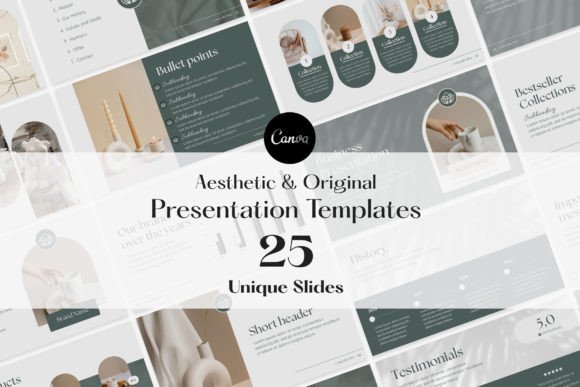
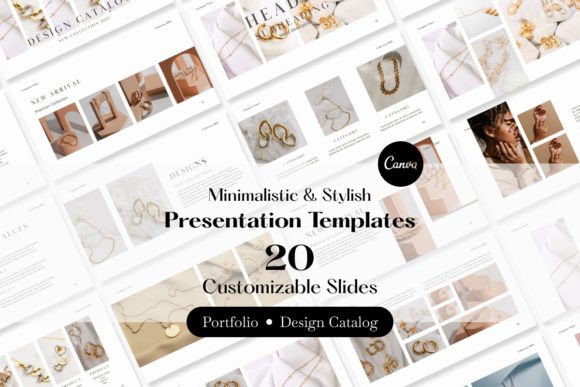
A strong portfolio or product catalog is more than just a collection of images; it is a narrative. The templates provided here are designed specifically for this storytelling purpose. They serve as a comprehensive suite of design assets that cover every aspect of a client presentation. You have access to distinct title pages and covers to grab attention immediately. Following that, there are dedicated spaces for project/product presentations, allowing you to highlight specific items with context.
Crucially, these templates include description pages and text pages. This is where the visual hierarchy becomes vital. Good typography guides the reader’s eye, but in a presentation, the layout must support that text. These templates balance imagery with copy space, ensuring your product specifications, artist statements, or service descriptions are readable and impactful. The inclusion of a photo gallery section is particularly useful for creatives who need to show volume and variety without cluttering the main presentation flow.
Designed for Real-World Application
One of the most common pitfalls in design is style over substance. However, these templates strike a balance between visually stunning graphics and practical utility. The aesthetic is modern and clean, leaning towards a minimalist approach that puts the focus on your content. This is not a static PDF; it is a dynamic tool. The layouts are crafted to support modern typography trends, ensuring that whether you are using a sans serif font for a tech startup vibe or a serif font for a luxury editorial look, the text integrates seamlessly.
Consider the versatility. A graphic designer might use the photo gallery slides to showcase logo design variations and web design mockups. An interior designer could use the project presentations to walk a client through a room-by-room renovation. The structure is robust enough for commercial use—think agency pitches or investor decks—yet personal enough for an artist’s portfolio or a wedding photographer’s lookbook. Because the design is adaptable, it avoids the rigid feel of corporate templates while maintaining the professionalism required for commercial projects.
Streamlining Your Workflow with Canva
Time is a finite resource for entrepreneurs and creators. The "blank page paralysis" is real, and it costs money. These templates are built to be time-saving. By utilizing the free version of Canva, the barrier to entry is virtually nonexistent. You do not need expensive software like Adobe InDesign or Illustrator to create a professional deck. The user-friendly customization means you can drag and drop your images, change the color palette to match your brand identity, and edit the text in minutes.
This ease of use is critical for maintaining consistency. A strong brand identity relies on repetition and recognition. By using these templates across different proposals, you ensure that your typography, spacing, and layout remain consistent. This consistency builds recognition. When a client sees your proposal, they should immediately know it is from you before they even read the title. This level of professionalism is often what separates a hobbyist from a serious business owner.
Tailoring the Template to Your Niche
While the templates are pre-designed, they are essentially a blank slate waiting for your personal touch. For the small business owner, this means you can tailor the aesthetic to your specific market. If you are selling handmade jewelry, you might soften the color palette and use a script font or handwritten font for headings to add a personal, artisanal touch. If you are a corporate consultant, you might stick to a bold sans serif font and a monochromatic color scheme to convey authority.
The flexibility extends to the content types as well. The text pages can be repurposed for terms and conditions, shipping information, or detailed service breakdowns. The cover can be adapted for a digital magazine or a PDF lead magnet. This adaptability makes it a smart investment. You are not just buying a single presentation; you are acquiring a toolkit for editorial design and packaging design presentations. It allows you to create social media graphics that match your proposal, ensuring a cohesive experience from Instagram post to final pitch.
Maximizing Visual Impact
Ultimately, the goal of any portfolio is to sell—whether you are selling a product, a service, or an idea. The visually stunning graphics included in these templates are designed to frame your work in the best possible light. They act as the stage, and your work is the star. By providing ample white space and structured grids, the templates ensure that images do not compete with one another. This negative space is a key component of modern typography and layout design; it allows the eye to rest and focus on the key details.
For those in creative fields like photography or packaging design, the ability to display high-resolution images (Full HD 16:9) is non-negotiable. These templates support that quality, ensuring your work looks crisp and professional on any screen. Whether you are presenting on a laptop in a coffee shop or projecting onto a screen in a boardroom, the resolution holds up. This attention to technical detail reinforces your professionalism and shows that you care about the quality of your deliverables.
Final Thoughts on Utility
In summary, these Portfolio / Design Catalog Templates are more than just pretty slides. They are a strategic tool for business growth. They bridge the gap between having great work and presenting it effectively. By removing the design friction, they allow you to focus on what you do best—creating. Whether you are an entrepreneur pitching a new venture or a crafter organizing a product catalog, the structure provided here offers a solid foundation. It is a practical, stylish, and efficient way to elevate your brand identity and engage your audience.