Youth Streetwear Design Templates: More Than Just Graphics
In the world of modern streetwear, a brand's visual identity is its first conversation with a customer. It's a gut feeling, a statement of belonging, and a promise of quality, all communicated in a split second. This is where the real value of high-quality design assets comes into play. We're not just talking about a random graphic; we're discussing a curated collection of aesthetic quotes and sticker designs, meticulously crafted as vector templates. These aren't just pictures; they are the foundational building blocks for a brand's entire visual language.
The Anatomy of a Modern Streetwear Aesthetic
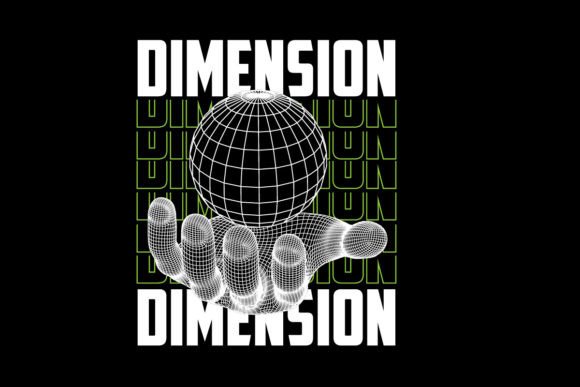
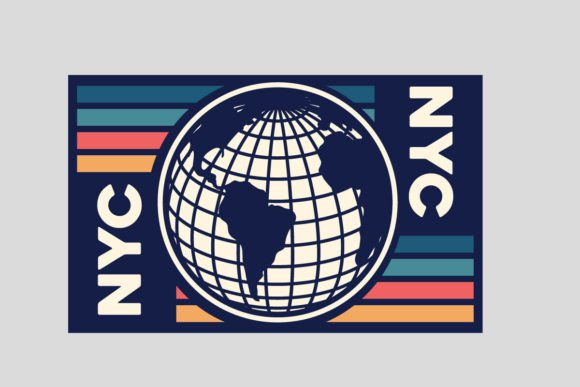
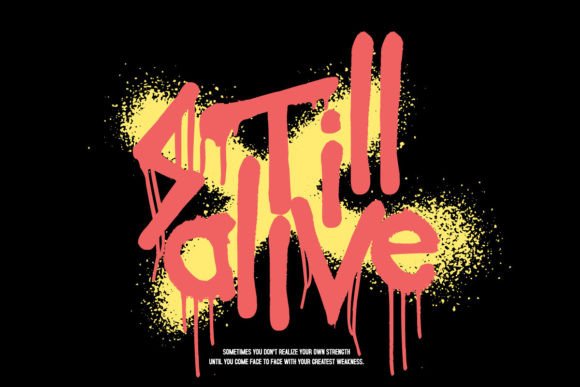
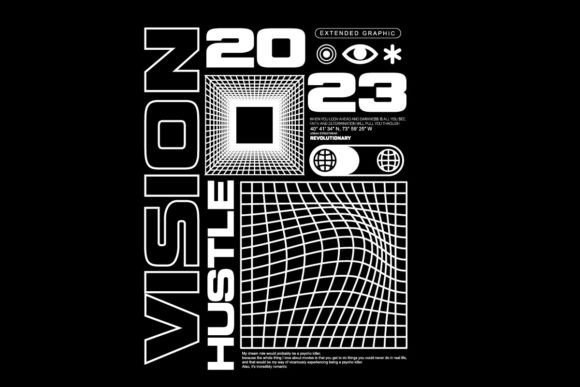
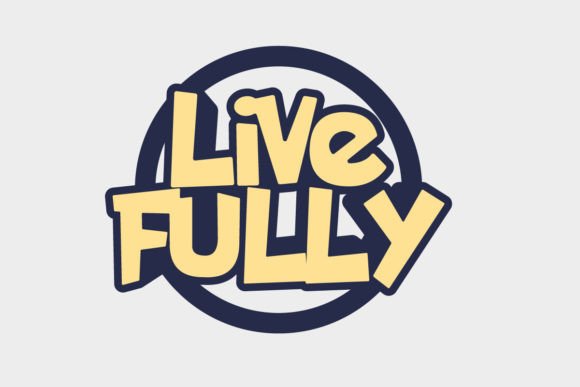
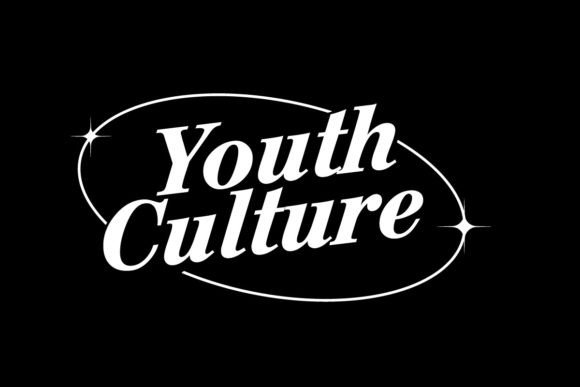
What makes a design feel like "streetwear"? It’s a combination of attitude, typography, and composition. The Youth Streetwear Design Templates collection captures this perfectly. You'll find a blend of bold, impactful display fonts paired with more expressive script or handwritten elements. The visual style often leans into a mix of gritty textures and clean lines, creating a dynamic tension that feels energetic and authentic. The personality is confident, a little rebellious, and deeply connected to youth culture, music, and art. This isn't sterile corporate design; it's raw, expressive, and built to make a statement. The use of unique sticker layouts and quote-based compositions gives each piece an immediate, relatable character that resonates with a specific audience.
The appeal lies in its versatility and professional execution. As a vector-based resource, the creative font choices and intricate design elements are preserved with perfect clarity at any size. This is a critical feature for any serious brand. Whether you're scaling a design for a massive back-print on a hoodie or shrinking it for a small chest logo on a t-shirt, the integrity of the artwork remains intact. This collection functions as a premium font and design asset hybrid, providing the raw material for countless variations. You can easily recolor elements to match your seasonal palette, swap out text for your own brand slogans, or deconstruct the compositions to use individual components elsewhere in your branding.
From Digital File to Tangible Brand Identity
The true test of any design asset is its real-world application. This is where these templates prove their worth far beyond a simple mockup. The primary application is, of course, custom printed clothing. For entrepreneurs launching a streetwear line, this collection is a practical shortcut to a professional-looking first drop. Instead of starting from a blank canvas, you have a library of proven, aesthetically-pleasing designs ready for customization. The included EPS vector files are the industry standard for screen printing and DTG (Direct-to-Garment) production, ensuring your printer gets clean, usable files. The high-resolution JPGs are perfect for digital mockups, social media promotion, and e-commerce listings.
But the utility extends much further than apparel. Think about the broader brand identity you're trying to build. These design elements can be repurposed for:
- Packaging Design: Use a quote design on a custom mailer box or a sticker that seals a product bag.
- Social Media Graphics: Break down a larger composition into individual elements for Instagram posts, stories, and profile banners. The sticker-style graphics are particularly effective for creating engaging, shareable content.
- Web Design: Incorporate design elements into website hero sections, blog post graphics, or even as unique dividers between sections to inject brand personality.
- Merchandise: The designs are perfect for more than just t-shirts. Consider tote bags, hats, phone cases, and posters. The vector nature means you can scale them without loss of quality for any of these products.
This ability to maintain visual consistency across multiple platforms is what separates amateur brands from professional ones. Using a cohesive set of design assets helps build brand recognition and communicates a level of seriousness and attention to detail that customers notice and appreciate.
Practical Workflow: Integrating the Templates
Getting the most out of this collection requires a strategic approach. First, after downloading and extracting the ZIP file, take time to audit the assets. Open the vector files (EPS) in a program like Adobe Illustrator or Affinity Designer. Don't just look at the finished designs; break them apart. Isolate the typography you like, the texture overlays, the graphic elements. This is your toolkit.
Next, consider your brand's existing visual identity. If you already have established brand colors and a primary typeface, your goal is integration, not replacement. Use these templates to complement your existing system. For example, you might use a bold display font from the collection for headlines on social media, while sticking to your core sans serif font for body text. This creates a dynamic font pairing that feels fresh but still on-brand. Test how the new elements look alongside your logo design and in your editorial design layouts for lookbooks or blogs.
Finally, be mindful of the licensing. For any commercial use, which includes selling products with these designs, you must ensure you have the appropriate commercial license. This is a non-negotiable step for any small business owner or creative professional. The files are delivered in a ZIP format, so you'll need to extract them before use. Once you have your files and understand the terms, you can begin the process of transforming these templates into an authentic expression of your own brand's vision, creating merchandise and marketing materials that truly connect with your audience.